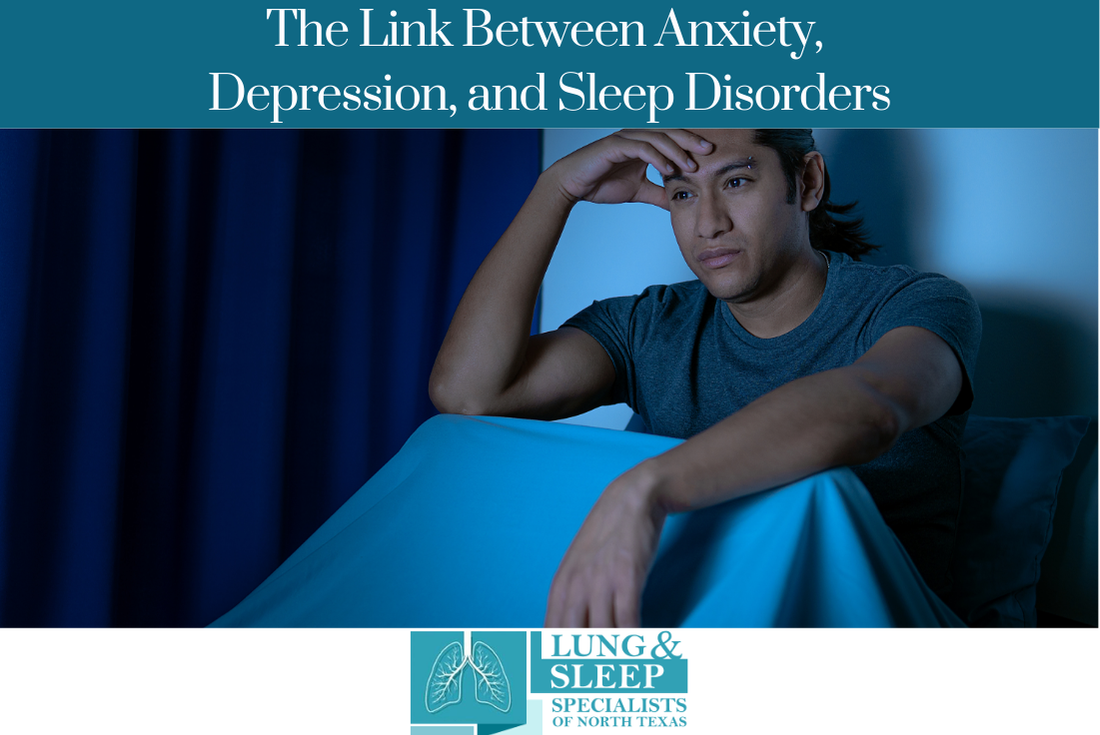
 How Mental Health Affects Sleep
Mental health disorders such as anxiety and depression can significantly impact sleep quality. People suffering from these conditions often experience difficulty falling asleep, staying asleep, or waking up too early, leading to chronic fatigue and worsening mental health symptoms.
Anxiety and Sleep Disorders
Anxiety triggers a state of heightened arousal, making it difficult to relax and fall asleep. Common sleep disturbances linked to anxiety include:
-
Insomnia: Persistent trouble falling or staying asleep due to racing thoughts.
-
Nightmares: Increased occurrence of distressing dreams.
-
Restless Sleep: Frequent tossing and turning, leading to unrefreshing rest.
-
Panic Attacks at Night: Sudden episodes of intense fear disrupting sleep.
Depression and Sleep Disorders
Depression can lead to both excessive sleep and sleep deprivation. Common sleep issues linked to depression include:
-
Early Morning Awakening: Waking up hours before the desired time and struggling to go back to sleep.
-
Hypersomnia: Sleeping excessively during the day while still feeling fatigued.
-
Sleep Fragmentation: Frequent nighttime awakenings preventing deep, restorative sleep.
The Vicious Cycle of Poor Sleep and Mental Health
Poor sleep exacerbates anxiety and depression, creating a vicious cycle where mental health deteriorates further due to insufficient rest. Lack of sleep can:
-
Increase stress hormone levels, intensifying anxiety symptoms.
-
Lower mood-regulating neurotransmitters, worsening depression.
-
Impair cognitive function, making it harder to cope with daily stressors.
Strategies to Improve Sleep and Mental Health
1. Cognitive Behavioral Therapy for Insomnia (CBT-I)
A structured therapy that helps individuals break negative thought patterns contributing to sleep disturbances.
2. Relaxation Techniques
-
Meditation and Deep Breathing: Reduce stress and promote relaxation before bed.
-
Progressive Muscle Relaxation: Helps alleviate physical tension.
3. Lifestyle Adjustments
-
Maintain a Consistent Sleep Schedule: Go to bed and wake up at the same time daily.
-
Limit Stimulants and Alcohol: Avoid caffeine and alcohol close to bedtime.
-
Create a Comfortable Sleep Environment: Keep the room cool, dark, and quiet.
When to Seek Professional Help
If sleep disturbances persist for more than a few weeks and interfere with daily life, consulting a sleep specialist or mental health professional is recommended. Addressing underlying mental health conditions can significantly improve sleep quality and overall well-being.
Final Thoughts
Understanding the connection between anxiety, depression, and sleep disorders is crucial for managing both mental health and sleep hygiene. Implementing lifestyle changes and seeking professional guidance can help break the cycle and lead to more restful nights.
Lung and Sleep Specialists of North Texas provides expert care for sleep disorders and mental health-related sleep issues. Contact us today to schedule a consultation and improve your sleep health.