Introduction
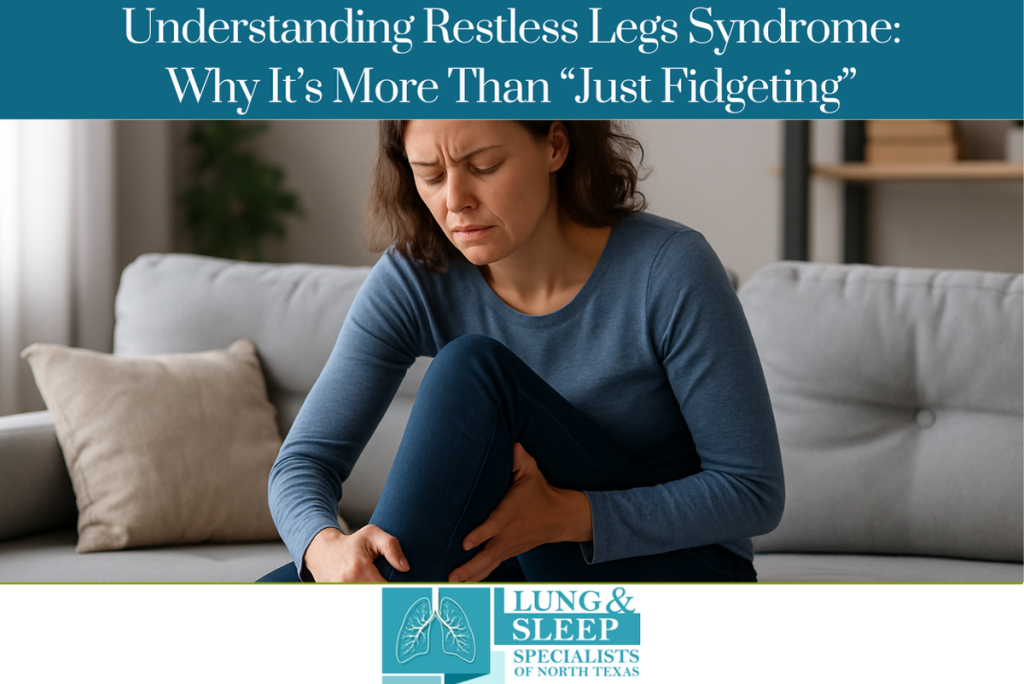
Restless Legs Syndrome (RLS) is a neurological condition that affects millions of Americans, yet it is often underdiagnosed. People with RLS experience an uncomfortable urge to move their legs—often described as tingling, crawling, or pulling sensations. These symptoms worsen at night, leading to insomnia and daytime fatigue. At Lung & Sleep Specialists, we help patients recognize that RLS is not “just restlessness” but a real medical condition with effective treatments.
What Causes Restless Legs Syndrome?
The exact cause of RLS isn’t fully understood, but research points to:
- Dopamine Dysregulation: A chemical imbalance in the brain.
- Iron Deficiency: Low brain iron levels affect dopamine activity.
- Genetics: RLS tends to run in families.
- Chronic Conditions: Diabetes, kidney disease, and peripheral neuropathy increase risk.
Symptoms of RLS
- Uncomfortable sensations in the legs, often described as crawling, burning, or tingling.
- Strong urge to move the legs, especially when resting.
- Relief when moving or stretching.
- Worsening symptoms at night, leading to insomnia.
How RLS Impacts Health
- Chronic sleep deprivation.
- Increased risk of anxiety and depression.
- Reduced quality of life due to fatigue and irritability.
Treatment Options
- Lifestyle Adjustments – Exercise, avoiding caffeine/alcohol, and establishing sleep routines.
- Nutritional Support – Correcting low iron, folate, or magnesium.
- Medications – Dopaminergic agents, anticonvulsants, or muscle relaxants may help.
- Complementary Therapies – Massage, hot baths, and relaxation techniques can reduce discomfort.
Living Well with RLS
With the right diagnosis and treatment, patients can dramatically improve sleep and daily function. RLS is treatable, and early intervention can prevent worsening symptoms.
Q&A Section
Q: Is RLS the same as “growing pains” in kids?
A: No. While both cause leg discomfort, RLS is neurological and usually worsens at night. Children with frequent nighttime leg discomfort should be evaluated.
Q: Can exercise make RLS worse?
A: Intense late-night workouts may trigger symptoms, but regular moderate activity (walking, yoga, stretching) often improves them.